One of the most compelling reasons companies choose international contract manufacturing is the potential for substantial cost reductions. Lower wage structures in selected regions can significantly decrease overall production expenses. In addition, outsourcing allows companies to avoid or reduce indirect costs such as facility upkeep, energy consumption, machinery purchases, and long-term capital investments, as these obligations are assumed by the contract manufacturer.
International contract manufacturers often focus on specific industries, production techniques, or technologies. Partnering with such specialists gives businesses direct access to advanced technical know-how and proven manufacturing experience. Moreover, global manufacturing partners frequently invest in modern production methods and innovative technologies, enabling companies to benefit from state-of-the-art solutions that may be costly or impractical to implement in-house.
International contract manufacturers typically operate diversified production networks and maintain relationships with multiple suppliers. This geographic and operational spread helps reduce exposure to supply chain interruptions caused by natural disasters, political instability, or market volatility. Additionally, experienced global manufacturers are well-versed in international regulatory standards and compliance requirements, helping businesses manage legal and regulatory risks more effectively.
Many businesses rely on contract manufacturing as a strategic tool to reduce operating expenses, improve the efficiency of internal resources, and avoid significant capital investments in expensive production equipment.
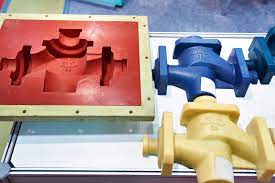
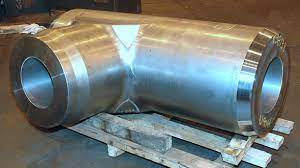
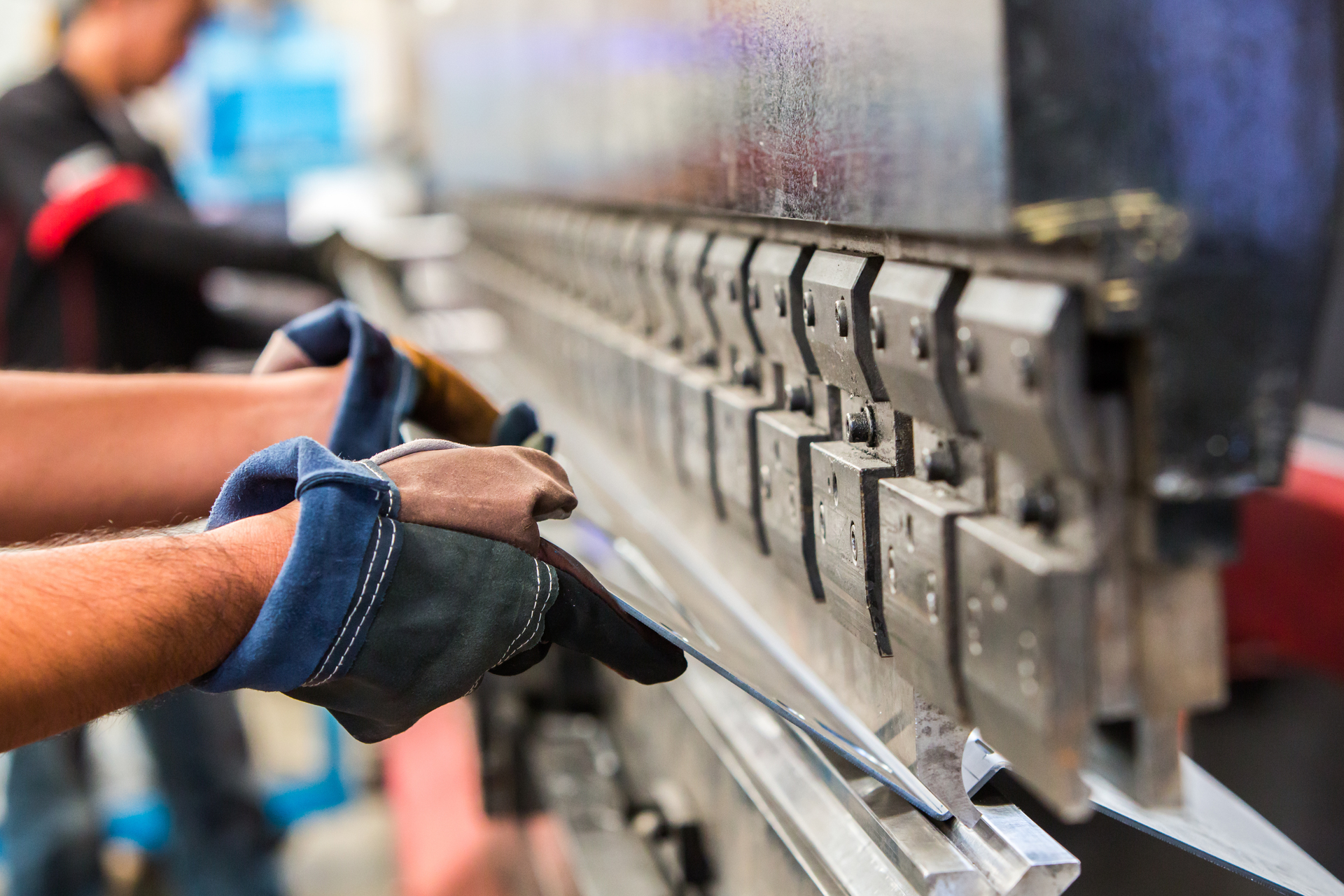
Contract manufacturers typically provide a broad spectrum of services, including contract machining, outsourced assembly operations, and specialized subcontracting solutions tailored to specific production requirements.
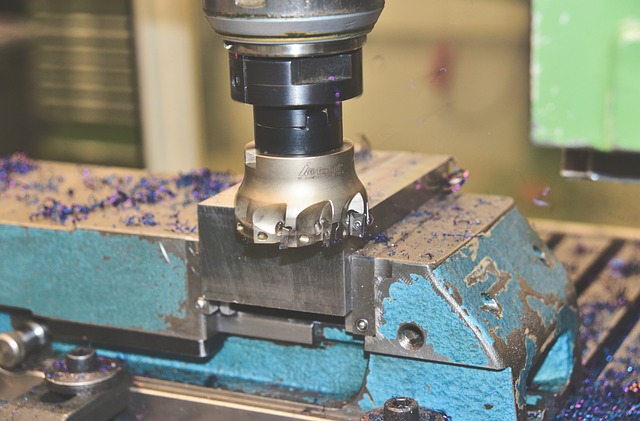
Their technical capabilities span a wide range of manufacturing processes, from conventional methods such as drilling, turning, boring, milling, sawing, tapping, and planing to advanced and non-traditional technologies. Increasingly, contract manufacturers are integrating innovative processes such as electrical discharge machining, electrochemical machining, ultrasonic machining, and other high-precision techniques to meet complex and evolving production demands.